Work Anglais
SINISTER OMENS: 560+ Supernatural Thrillers, Macabre Tales & Eerie Mysteries - format ePub
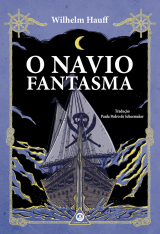
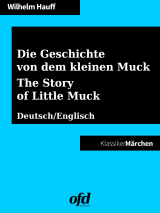
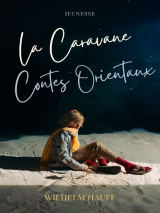
Wilhelm Hauff
Wilhelm Hauff (1802–1827) war ein deutscher Schriftsteller der Romantik und zählt zu den bedeutendsten Märchenerzählern des 19. Jahrhunderts. Berühmt wurde er durch seine Kunstmärchen wie Der kleine Muck, Kalif Storch und Der Mann im Mond, die Fantasie, Ironie und Gesellschaftskritik auf einzigartige Weise verbinden.
Trotz seines frühen Todes im Alter von nur 25 Jahren hinterließ Hauff ein bemerkenswertes literarisches Werk. Seine Texte zeichnen sich durch sprachliche Eleganz, Humor und einen feinen Blick für menschliche Schwächen aus und haben bis heute ihren festen Platz in der deutschsprachigen Literatur.
Charles Dickens
Né en 1812 et mort en 1870, Charles Dickens est l'un des romanciers anglais les plus populaires dans le monde entier. Issu d'une famille très modeste, Charles Dickens souffre beaucoup de sa condition. Ces difficultés seront la source d'inspiration de la plupart de ses oeuvres, dont les plus connues sont Les aventures de M. Pickwick, David Copperfield et Oliver Twist.
Mark Twain
De son vrai nom Samuel Langhorne Clemens, Mark Twain (1835-1910) tire son pseudonyme de l'argot des pilotes de vapeur sur le Mississipi, métier qu'il exercera un temps. Il se lance en 1862 dans le journalisme. Sa première nouvelle, "L'Histoire de la grenouille sauteuse", reçoit un accueil chaleureux et lui apporte la célébrité. Dès lors, il n'arrête plus d'écrire : reportages, nouvelles, récits, et romans, dont
Les Aventures de Tom Sawyer (1876) et
Les Aventures de Huckleberry Finn (1885), considéré comme le texte fondateur de la littérature américaine.
Harriet Beecher Stowe
Harriet Beecher Stowe (1811–1896) was an American abolitionist and author of more than 20 books, including novels, three travel memoirs, and collections of articles and letters. Her novel Uncle Tom's Cabin (1852) was a realistic account of life for African-Americans under slavery; it reached millions and became influential in the United States and United Kingdom.
Adelbert von Chamisso
Adelbert von Chamisso (d. i. Louis Charles Adélaïde de Chamisso de Boncourt, getauft 31.1.1781 Schloss Boncourt [Champagne
Oscar Wilde
Oscar Fingal O'Flaherty Wills Wilde was born in Dublin in 1854. He studied at Trinity College Dublin and then at Magdalen College Oxford where he started the cult of 'Aestheticism', which involves making an art of life. Following his marriage to Constance Lloyd in 1884, he published several books of stories ostensibly for children and one novel, The Picture of Dorian Gray (1891).
Wilde's first success as a playwright was with Lady Windemere's Fan in 1892. He followed this up with A Woman of No Importance, An Ideal Husband and The Importance of Being Earnest, all performed on the London stage between 1892 and 1895. However Wilde's homosexual relationship with Lord Alfred Douglas was exposed by the young man's father, the Marquis of Queensbury. Wilde brought a libel suit against Queensbury but lost and was sentenced to two year's imprisonment. He was released in 1897 and fled to France where he died a broken man in 1900.
Oscar Fingal O'Flaherty Wills Wilde was born in Dublin in 1854. He studied at Trinity College Dublin and then at Magdalen College Oxford where he started the cult of 'Aestheticism', which involves making an art of life. Following his marriage to Constance Lloyd in 1884, he published several books of stories ostensibly for children and one novel, The Picture of Dorian Gray (1891).
Wilde's first success as a playwright was with Lady Windemere's Fan in 1892. He followed this up with A Woman of No Importance, An Ideal Husband and The Importance of Being Earnest, all performed on the London stage between 1892 and 1895. However Wilde's homosexual relationship with Lord Alfred Douglas was exposed by the young man's father, the Marquis of Queensbury. Wilde brought a libel suit against Queensbury but lost and was sentenced to two year's imprisonment. He was released in 1897 and fled to France where he died a broken man in 1900.
Robert Louis Stevenson
Robert Louis Stevenson war ein literarischer Abenteurer, der die Fesseln seiner kränklichen Konstitution durch die schiere Kraft seiner Erzählkunst sprengte. Geboren im nebligen Edinburgh, verbrachte er einen Großteil seines Lebens auf der Suche nach einem Klima, das seine schwache Lunge schonte – eine Reise, die ihn schließlich bis in die ferne Südsee führte. Doch während sein Körper oft ans Bett gefesselt war, segelte sein Geist auf den Meeren der Fantasie. Er besaß die seltene Gabe, Geschichten zu erschaffen, die sofort zum Allgemeingut der Menschheit wurden: Von der Schatzkarte mit dem „X“ in „Die Schatzinsel“ bis hin zum schaurigen Doppelgängermotiv in „Dr. Jekyll und Mr. Hyde“ prägte er Mythen, die bis heute unsere Popkultur bestimmen.
Edgar Allan Poe
Edgar Allan Poe (1809–49) reigned unrivaled in his mastery of mystery during his lifetime and is now widely held to be a central figure of Romanticism and gothic horror in American literature. Born in Boston, Massachusetts, he was orphaned at age three, was expelled from West Point for gambling, and later became a well-regarded literary critic and editor. "The Raven," published in 1845, made Poe famous. He died in 1849 under what remain mysterious circumstances and is buried in Baltimore, Maryland.
William Hope Hodgson
William Hope Hodgson gehört zu den Meistern der unheimlichen Fantastik. Er wurde 1877 in Essex als Sohn eines Geistlichen geboren und reiste als Seemann um die Welt. Er starb 1918 im Ersten Weltkrieg.
H. P. Lovecraft war ein Bewunderer der Werke von William Hope Hodgson und rühmte dessen visionäre Schilderungen des »kosmischen Grauens«.
Joseph Sheridan Le Fanu
Joseph Thomas Sheridan Le Fanu (Dublín, 1814–1873) fue un escritor irlandés y una de las figuras fundamentales del relato gótico y de fantasmas en la era victoriana. Maestro de la atmósfera y la ambigüedad sobrenatural, influyó decisivamente en el desarrollo del terror moderno. Es autor de obras esenciales como Carmilla, novela clave en la tradición vampírica, Uncle Silas y La casa junto al cementerio, que lo consagraron como referente del género.
John Buchan
John Buchan was born in Perth in 1875, the son of a Church of Scotland Minister. After being educated locally, he attended Glasgow University and Brasenose College Oxford. He exchanged comparative poverty for affluence by his success as an author, but it was as a lawyer that his reputation began. He went to South Africa to serve as private secretary to the British Colonial administrator, Alfred, Lord Milner and assisted in reconstruction of the country after the Boer War. He entered publishing in 1906 as partner in the firm of his friend Thomas Nelson and married Susan Charlotte Grosvenor, cousin of the Duke of Westminster, in 1907. They had four children. Buchan was elected to Parliament in 1911, served in various capacities during the First World War, including writing speeches for Sir Douglas Haig and taking on the role of Director of Information under Lord Beaverbrook. He returned to the House of Commons in 1927 and then in 1935 he was appointed Governor-General of Canada and became Lord Tweedsmuir. He died in 1940. John Buchan was a prolific author and wrote poetry and biographies as well as novels, but he is still best remembered for his adventure stories and in particular the five Hannay novels: The Thirty Nine Steps, Greenmantle, Mr Standfast, The Three Hostages, and The Island of Sheep.
Louis Tracy
Louis Tracy was a British journalist, and prolific writer of fiction. He used the pseudonyms Gordon Holmes and Robert Fraser, which were at times shared with M. P. Shiel, a collaborator from the start of the twentieth century.
He was born in Liverpool to a well-to-do middle-class family. At first he was educated at home and then at the French Seminary at Douai. Around 1884 he became a reporter for a local paper, The Northern Echo at Darlington, circulating in parts of Durham and North Yorkshire; later he worked for papers in Cardiff and Allahabad.
His fiction included mystery, adventure and romance.
Bram Stoker
Bram (Abraham) Stoker was an Irish novelist, born November 8, 1847 in Dublin, Ireland. 'Dracula' was to become his best-known work, based on European folklore and stories of vampires. Although most famous for writing 'Dracula', Stoker wrote eighteen books before he died in 1912 at the age of sixty-four.
Anatole France
Élu à l’Académie française en 1896, premier auteur des éditions Calmann-Lévy à recevoir le prix Nobel de littérature, en 1921, Anatole France est un écrivain majeur de l’histoire de la maison. À l’occasion du centenaire de sa disparition, les éditions Calmann-Lévy, où il a publié l’ensemble de son oeuvre, rééditent ce roman mémorable du début du xxe siècle.
Charlotte Brontë
Charlotte Brontë, born in 1816, was an English novelist and poet, the eldest of the three Brontë sisters, and one of the nineteenth century's greatest novelists. She is the author of Villette, The Professor, several collections of poetry, and Jane Eyre, one of English literature's most beloved classics. She died in 1855.
Emily Brontë
Emily Brontë (1818–1848) war eine englische Schriftstellerin und Dichterin der viktorianischen Epoche, die unter dem Pseudonym Ellis Bell veröffentlichte. Berühmt wurde sie vor allem durch ihren einzigen Roman Wuthering Heights, der heute als Meisterwerk der englischen Literatur gilt.
Jack London
John Griffith, dit Jack London, est né à San Francisco le 12 janvier 1876. Fils illégitime de fermiers, élevé dans la misère, il est tour à tour marin chasseur de phoque, chercheur d'or au Klondike lors de la ruée vers l'or de 1897 et correspondant de presse. L'Appel du désert (1903) et Croc-Blanc (1907), qui mettent en scène l'aventure, le monde animal (comme l'histoire du chien Buck dans L'Appel de la fo
Henry James
Henry James (1843–1916) was an American writer, highly regarded as one of the key proponents of literary realism, as well as for his contributions to literary criticism. His writing centres on the clash and overlap between Europe and America, and The Portrait of a Lady is regarded as his most notable work.
Théophile Gautier
Theophile Gautier (1811-1872) écrivit de très nombreuses nouvelles et critiques d'art pour la presse. De ses multiples voyages il livra ses impressions, goûta au théâtre, à la danse (Giselle, 1841), donna dans le roman avec Le Capitaine Fracasse (1863). Mais c'est le poète d'Emaux et Camées (1852) que les Parnassiens saluèrent comme leur précurseur et maître.
Arthur Conan Doyle
Arthur Conan Doyle est né à Édimbourg en 1859. Il est le petit-fils du célèbre caricaturiste John Doyle, neveu de Richard Doyle, co-fondateur de la revue Punch, filleul du journaliste littéraire Michael Conan. Issue d’une famille nombreuse de neuf enfants, son père est un obscure fonctionnaire. Élève de la Public School, une école catholique jésuite de Stonyhurst, il fit des études en médecine dans sa ville natale puis après avoir obtenu en 1881 son diplôme de docteur il exerça la profession médicale de 1882 à 1891 dans la ville portuaire de Portsmouth.
En 1887, à l’âge de 28 ans, il y écrit dans une nouvelle intitulée A study in scarlet, le personnage de Sherlock Holmes s’inspirant de l'un de ses professeurs de l'Université d'Édimbourg, le professeur Bell. Le livre relate une tragédie amoureuse chez les Mormons et met en valeur les capacités déductives du détective, par ailleurs vieux garçon et maniéré, flegmatique et ingénieux. Celui-ci, flanqué de son ami et auxiliaire, le docteur Watson, va désormais résoudre de complexes énigmes dans une suite d’ouvrages qui donnent une dignité nouvelle au genre policier. Les aventures de Sherlock Holmes composent un palpitant portrait de l'époque victorienne. Contemporaines des crimes bien réels de Jack L'Éventreur (1888), elles satisfont le goût du public pour le mystère. Craignant que Sherlock Holmes n'éclipse ses autres créations par son incroyable popularité, Conan Doyle raconte sa mort en 1891. Il fait mourir le héros dans les montagnes suisses, dans un combat au corps à corps avec son ennemi de toujours, le professeur Moriarty. Peine perdue. Sous la pression des lecteurs, dont un certain nombre croient à la réalité charnelle de Sherlock Holmes, Conan Doyle est contraint de rendre vie au détective. Sa plus célèbre aventure paraît en 1901 sous le titre Le chien des Baskerville. Sherlock Holmes et son ami vont continuer d'évoluer dans l'Angleterre victorienne jusqu'en 1927.
Conan Doyle connut dans sa carrière littéraire un succès si rapide, qu'en 1892 il abandonna totalement la médecine pour se consacrer à l'écriture. Comme écrivain, il s'inscrit dans la lignée de l'Américain Edgar Allan Poe, de l'Écossais Robert Louis Stevenson et du Français Émile Gaboriau, créateur de l'inventeur Lecoq. Il a également composé deux romans : Rodney Stone et Sir Nigel ainsi que de magnifiques récits de Science-Fiction dont le plus célèbre est Le Monde perdu de 1912 où apparaît le professeur Challenger et adapté par deux fois à l'écran. Le compromis entre l’histoire et la fiction s’accomplit dans une série de récits qui font de Conan Doyle l’un des pionniers de la SF, ou, pour mieux dire, le Jules Verne britannique.
En 1902, il se rend comme correspondant de guerre en Afrique du Sud, où les Anglais combattent les Boers. Anobli sous le nom de Sir Arthur après sa participation à cette guerre, il s’engagea lors de la Première Guerre mondiale et tira de son expérience plusieurs ouvrages marqués par le spiritisme, auquel il s’était intéressé après la mort de son fils sur le front français. Il s'éteint le 7 juillet 1930, à 71 ans, à Crowborough, dans le Sussex.
Arthur Conan Doyle est né à Édimbourg en 1859. Il est le petit-fils du célèbre caricaturiste John Doyle, neveu de Richard Doyle, co-fondateur de la revue Punch, filleul du journaliste littéraire Michael Conan. Issue d’une famille nombreuse de neuf enfants, son père est un obscure fonctionnaire. Élève de la Public School, une école catholique jésuite de Stonyhurst, il fit des études en médecine dans sa ville natale puis après avoir obtenu en 1881 son diplôme de docteur il exerça la profession médicale de 1882 à 1891 dans la ville portuaire de Portsmouth.
En 1887, à l’âge de 28 ans, il y écrit dans une nouvelle intitulée A study in scarlet, le personnage de Sherlock Holmes s’inspirant de l'un de ses professeurs de l'Université d'Édimbourg, le professeur Bell. Le livre relate une tragédie amoureuse chez les Mormons et met en valeur les capacités déductives du détective, par ailleurs vieux garçon et maniéré, flegmatique et ingénieux. Celui-ci, flanqué de son ami et auxiliaire, le docteur Watson, va désormais résoudre de complexes énigmes dans une suite d’ouvrages qui donnent une dignité nouvelle au genre policier. Les aventures de Sherlock Holmes composent un palpitant portrait de l'époque victorienne. Contemporaines des crimes bien réels de Jack L'Éventreur (1888), elles satisfont le goût du public pour le mystère. Craignant que Sherlock Holmes n'éclipse ses autres créations par son incroyable popularité, Conan Doyle raconte sa mort en 1891. Il fait mourir le héros dans les montagnes suisses, dans un combat au corps à corps avec son ennemi de toujours, le professeur Moriarty. Peine perdue. Sous la pression des lecteurs, dont un certain nombre croient à la réalité charnelle de Sherlock Holmes, Conan Doyle est contraint de rendre vie au détective. Sa plus célèbre aventure paraît en 1901 sous le titre Le chien des Baskerville. Sherlock Holmes et son ami vont continuer d'évoluer dans l'Angleterre victorienne jusqu'en 1927.
Conan Doyle connut dans sa carrière littéraire un succès si rapide, qu'en 1892 il abandonna totalement la médecine pour se consacrer à l'écriture. Comme écrivain, il s'inscrit dans la lignée de l'Américain Edgar Allan Poe, de l'Écossais Robert Louis Stevenson et du Français Émile Gaboriau, créateur de l'inventeur Lecoq. Il a également composé deux romans : Rodney Stone et Sir Nigel ainsi que de magnifiques récits de Science-Fiction dont le plus célèbre est Le Monde perdu de 1912 où apparaît le professeur Challenger et adapté par deux fois à l'écran. Le compromis entre l’histoire et la fiction s’accomplit dans une série de récits qui font de Conan Doyle l’un des pionniers de la SF, ou, pour mieux dire, le Jules Verne britannique.
En 1902, il se rend comme correspondant de guerre en Afrique du Sud, où les Anglais combattent les Boers. Anobli sous le nom de Sir Arthur après sa participation à cette guerre, il s’engagea lors de la Première Guerre mondiale et tira de son expérience plusieurs ouvrages marqués par le spiritisme, auquel il s’était intéressé après la mort de son fils sur le front français. Il s'éteint le 7 juillet 1930, à 71 ans, à Crowborough, dans le Sussex.
Jane Austen
Jane Austen was born in 1775 in rural Hampshire, the daughter of an affluent village rector who encouraged her in her artistic pursuits. In novels such as Pride and Prejudice, Mansfield Park and Emma she developed her subtle analysis of contemporary life through depictions of the middle-classes in small towns. Her sharp wit and incisive portraits of ordinary people have given her novels enduring popularity. She died in 1817.
Thomas De Quincey
Thomas de Quincey (Mánchester, 1785 - Edimburgo, 1859) fue un periodista, crítico y escritor británico del romanticismo.
John Meade Falkner
John Meade Falkner est un romancier et poète anglais. Il a grandi à Dorchester et Weymouth puis a suivi des études d'archéologie, de paléographie, d'histoire médiévale et d'héraldique au Marlborough College et au Hertford College d'Oxford, obtenant un diplôme d'Histoire en 1882. Après Oxford, il a brièvement enseigné à la Derby School, puis est devenu à Newcastle précepteur des enfants de Sir Andrew Noble, qui dirigeait alors la firme Armstrong, une des plus importantes manufactures d'armes au monde. Falkner finit par lui succéder au poste de directeur en 1916. Il quitta son poste de directeur en 1921 et devint Honorary Reader en Paléographie à l'Université de Durham, ainsi que Honorary Librarian à la Dean and Chapter Library. Falkner finit ses jours comme conservateur honoraire du musée de Durham.
Guy de Maupassant
Guy de Maupassant nació en 1850 en el castillo de Miromesnil, en el seno de una ennoblecida familia normanda y se crio en Étretat, al cuidado de su madre, que se había separado de su marido. En 1869 partió hacia París con la intención de estudiar Derecho pero la guerra franco-prusiana trastocará sus planes: se alistó como voluntario y combatió en Normandía.
Acabada la guerra, de la mano de Flaubert, amigo de su madre, conoció en París a la sociedad literaria del momento; en 1880 publicó su cuento Bola de sebo en el volumen colectivo Las veladas de Médan, piedra fundacional del movimiento naturalista. Otros cuentos como los contenidos en La casa Tellier (1881) o Mademoiselle Fifi (1882) lo acreditaron como uno de los maestros del género, de modo que cuando en 1883 salió a la luz su primera novela, Una vida (ALBA CLÁSICA núm. XLI), ya era un escritor famoso. A esta novela siguieron otras de la talla de Bel Ami (1885; ALBA CLÁSICA núm. CXIX), Mont-Oriol (1887; ALBA CLÁSICA núm. II), Pierre y Jean (1888), Fuerte como la muerte (1889) y Nuestro corazón (1890; ALBA CLÁSICA núm. LXVI). Murió en París en 1893, víctima de una enfermedad hereditaria que lo llevó a la locura.
«Maupassant –escribiría Joseph Conrad–, a quien se ha llamado maestro del mot juste, nunca ha sido un mero tratante de palabras. Sus mercancías no han sido cuentas de vidrio sino pulidas gemas: quizá no las más raras y preciosas, pero sí con las mejores aguas de su género.»
Guy de Maupassant nació en 1850 en el castillo de Miromesnil, en el seno de una ennoblecida familia normanda y se crio en Étretat, al cuidado de su madre, que se había separado de su marido. En 1869 partió hacia París con la intención de estudiar Derecho pero la guerra franco-prusiana trastocará sus planes: se alistó como voluntario y combatió en Normandía.
Acabada la guerra, de la mano de Flaubert, amigo de su madre, conoció en París a la sociedad literaria del momento; en 1880 publicó su cuento Bola de sebo en el volumen colectivo Las veladas de Médan, piedra fundacional del movimiento naturalista. Otros cuentos como los contenidos en La casa Tellier (1881) o Mademoiselle Fifi (1882) lo acreditaron como uno de los maestros del género, de modo que cuando en 1883 salió a la luz su primera novela, Una vida (ALBA CLÁSICA núm. XLI), ya era un escritor famoso. A esta novela siguieron otras de la talla de Bel Ami (1885; ALBA CLÁSICA núm. CXIX), Mont-Oriol (1887; ALBA CLÁSICA núm. II), Pierre y Jean (1888), Fuerte como la muerte (1889) y Nuestro corazón (1890; ALBA CLÁSICA núm. LXVI). Murió en París en 1893, víctima de una enfermedad hereditaria que lo llevó a la locura.
«Maupassant –escribiría Joseph Conrad–, a quien se ha llamado maestro del mot juste, nunca ha sido un mero tratante de palabras. Sus mercancías no han sido cuentas de vidrio sino pulidas gemas: quizá no las más raras y preciosas, pero sí con las mejores aguas de su género.»
Thomas Hardy
Thomas Hardy was born in 1840 in Dorchester, Dorset. He enrolled as a student in King’s College, London, but never felt at ease there, seeing himself as socially inferior. This preoccupation with society, particularly the declining rural society, featured heavily in Hardy’s novels, with many of his stories set in the fictional county of Wessex. Since his death in 1928, Hardy has been recognised as a significant poet, influencing The Movement poets in the 1950s and 1960s.
Daniel Defoe
Daniel Defoe nació en 1660 en Londres, hijo de un fabricante de velas presbiteriano. Estudió en la Academia Presbiteriana para Disidentes de Newington Greene, donde recibió una educación basada en lenguas modernas y conocimientos científicos, muy alejada de los patrones clásicos. Se estableció corno comerciante y conoció la prosperidad tanto como la quiebra. Interesado por la política, escribió algunas sátiras y en 1697 publicó su primera obra extensa, An Essay Upon Projects. Prestó servicios al gobierno whig del rey Guillermo III y ocupó un cargo en Hacienda. Su poema satírico The True-Born Englishman (1701) fue un éxito, pero su irónico ataque a la intolerancia de la Iglesia Anglicana en The Shortest Way with the Dissenters (1703), ya durante el reinado de Ana Estuardo y bajo gobierno tory, le valió una pena de prisión. Acogido a la protección de un político tory, Robert Harley, escribió durante nueve años la gaceta de la que éste era propietario, la Review. Compuso en 1703 el que se considera el primer reportaje moderno, The Storm, sobre una gran tormenta que asoló el sur de Inglaterra. Defoe no escribió su primera obra de ficción hasta 1719, pero con ella creó un mito universal: Robinson Crusoe. A ésta siguieron Moll Flanders y Diario del año de la peste en 1722, y Roxane en 1724. Murió en Londres en 1731.
John Kendrick Bangs
A TOAST TO SANTA CLAUSWhene'er I find a man who don'tBelieve in Santa Claus,And spite of all remonstrance won'tYield up to logic's laws,And see in things that lie aboutThe proof by no means dim,I straightway cut that fellow out,And don't believe in him.The good old Saint is everywhereAlong life's busy way.We find him in the very airWe breathe day after dayWhere courtesy and kindlinessAnd love are joined together,To give to sorrow and distressA touch of sunny weather.
Marie Belloc Lowndes
Marie Adelaide Elizabeth Rayner Lowndes (née Belloc; 5 August 1868 – 14 November 1947), who wrote as Marie Belloc Lowndes, was a prolific English novelist, and sister of author Hilaire Belloc.
Horace Walpole
Horace Walpole, 4. Earl of Orford, war ein britischer Schriftsteller, Politiker und Künstler. Er wurde am 24.9.1717 in London geboren und verstarb am 2. März 1797 ebenda.
Rudyard Kipling
Rudyard Kipling (1865-1936) nació en Bombay, India. En 1907 se le concedió el Premio Nobel de Literatura. Fue uno de los autores más populares y respetados de su época, uno de los grandes escritores del crepúsculo victoriano.
Lafcadio HEARN
Lafcadio Hearn, 1850 als Sohn einer Griechin und eines Iren auf Lefkas geboren, wuchs bei Verwandten in England auf, ehe er als junger Mann mittellos nach Amerika geschickt wurde. Er lebte als Journalist und Autor in Cincinnati und New Orleans, später in New York, dazwischen länger auf den französischen Antillen. 1890 wurde er als Korrespondent nach Japan entsandt. Er heiratete eine Japanerin, nahm die japanische Staatsbürgerschaft an und arbeitete zunächst als Lehrer, später als Professor für englische Literatur in Tokio, wo er 1904 starb.
Ambrose BIERCE
Ambrose Bierce was an American writer, critic and war veteran. Bierce fought for the Union Army during the American Civil War, eventually rising to the rank of brevet major before resigning from the Army following an 1866 expedition across the Great Plains. Bierce’s harrowing experiences during the Civil War, particularly those at the Battle of Shiloh, shaped a writing career that included editorials, novels, short stories and poetry. Among his most famous works are “An Occurrence at Owl Creek Bridge,” “The Boarded Window,” “Chickamauga,” and What I Saw of Shiloh. While on a tour of Civil-War battlefields in 1913, Bierce is believed to have joined Pancho Villa’s army before disappearing in the chaos of the Mexican Revolution.
Washington Irving
Washington Irving (1783-1859) was an American author best known for his short stories Rip Van Winkle and The Legend of Sleepy Hollow. He is largely considered to be America's first internationally best-selling author.
David Lindsay
David Lindsay (1876-1945) is a writer best known for his first novel, A Voyage to Arcturus. Published in 1920, it has been called "the greatest imaginative work of the twentieth century" (Colin Wilson), "a stupendous ontological fable" (E H Visiak), "a masterpiece... an extraordinary work" (Clive Barker), "that shattering, intolerable, and irresistible work" (C S Lewis), and "less a novel than it is private kabbalah" (Alan Moore). John Grant, in The Encyclopedia of Fantasy, called it "a masterpiece of allegorical fantasy".
Lindsay himself said that as long as publishing existed he would have readers, however few, and has been proved right. A Voyage to Arcturus, and his subsequent novels The Haunted Woman (1922), Sphinx (1923), The Adventures of Monsieur de Mailly (1926) and Devil's Tor (1932) have found a growing audience of devotees, enabling his unpublished novels (The Violet Apple, and the unfinished The Witch) to be brought out in the 1970s. He has been translated into French, German, Spanish, Dutch, Bulgarian, Russian, Japanese, Catalan, Romanian and Turkish.
David Lindsay (1876-1945) is a writer best known for his first novel, A Voyage to Arcturus. Published in 1920, it has been called "the greatest imaginative work of the twentieth century" (Colin Wilson), "a stupendous ontological fable" (E H Visiak), "a masterpiece... an extraordinary work" (Clive Barker), "that shattering, intolerable, and irresistible work" (C S Lewis), and "less a novel than it is private kabbalah" (Alan Moore). John Grant, in The Encyclopedia of Fantasy, called it "a masterpiece of allegorical fantasy". Lindsay himself said that as long as publishing existed he would have readers, however few, and has been proved right. A Voyage to Arcturus, and his subsequent novels The Haunted Woman (1922), Sphinx (1923), The Adventures of Monsieur de Mailly (1926) and Devil's Tor (1932) have found a growing audience of devotees, enabling his unpublished novels (The Violet Apple, and the unfinished The Witch) to be brought out in the 1970s. He has been translated into French, German, Spanish, Dutch, Bulgarian, Russian, Japanese, Catalan, Romanian and Turkish.
Nathaniel Hawthorne
Nathaniel Hawthorne né en 1804 à Salem, Massachusetts, États-Unis et mort en 1864 à Plymouth, New Hampshire est un écrivain américain, auteur de nouvelles et de romans.
Grant Allen
Grant Allen a travaillé pendant plus de vingt ans dans le domaine des nouvelles technologies, en tant que CTO, chef de projet et administrateur de bases de données. Il travaille aujourd'hui pour Google, et donne des conférences partout dans le monde sur la gestion de contenus, les bases de données, l'innovation et les écosystèmes mobiles comme Android.
Arthur Machen
Arthur Machen est né à Caerlon-on-Usk (Royaume-Uni) le 3 mars 1863. En 1885 un "Catalogue occultiste" puis devient journaliste et traducteur. Son oeuvre compte une trentaine d'ouvrages se rattachant principalement à la littérature fantastique. Parmi ses principaux récits, citons notamment "Le Grand Dieu Pan" (1894). Il est mort à Beaconsfield le 15 décembre 1947.
Wilkie Collins
William Wilkie Collins (1824–1889) was an English novelist, playwright, and author of short stories. He wrote 30 novels, more than 60 short stories, 14 plays, and more than 100 essays. His best-known works are The Woman in White and The Moonstone.
SAKI
Saki (d.i. Hector Hugh Munro, 1870–1916) kam in Britisch-Burma, dem heutigen Myanmar, zur Welt, wuchs aber in England auf. Nach seiner Schulzeit nahm Munro wie schon sein Vater eine Stelle bei der britischen Polizei in Burma an, kehrte aber schon nach wenigen Jahren mit gesundheitlichen Problemen nach England zurück. Später wurde er Journalist und war als Auslandskorrespondent in Russland sowie auf dem Balkan tätig. Nebenbei verfasste er u.a. zahlreiche Kurzgeschichten. Ab 1914 kämpfte Munro als freiwilliger Soldat im Ersten Weltkrieg; 1916 fiel er während der Schlacht an der Somme.
William Makepeace Thackeray
William Makepeace Thackeray was a nineteenth century English novelist who was most famous for his classic novel, Vanity Fair, a satirical portrait of English society. With an early career as a satirist and parodist, Thackeray shared a fondness for roguish characters that is evident in his early works such as Vanity Fair, The Luck of Barry Lyndon, and Catherine, and was ranked second only to Charles Dickens during the height of his career. In his later work, Thackeray transitioned from the satirical tone for which he was known to a more traditional Victorian narrative, the most notable of which is The History of Henry Esmond. Thackeray died in 1863.
Fergus Hume
Fergus Hume was born in England in 1859 and raised in Dunedin, New Zealand. He studied Law at the University of Otago and after graduation relocated to Melbourne, Australia as a barristers' clerk. Inspired by the crime novels of Émile Gaboriau, he wrote the novel The Mystery of a Hansom Cab, set in Melbourne, which became the best-selling mystery novel of the Victorian era. Hume returned to England in 1888, producing more than 100 novels and short stories. He died in 1932.
Edward Bellamy
Ne en 1850 a Chicopee Falls, dans le Massachusetts, Edward Bellamy grandit dans une famille de pasteurs. Très tôt, il observe avec lucidité les inégalités sociales et les excès du capitalisme industriel. Apres quelques années d'études a l'Union Collège, il se tourne vers le journalisme, puis vers la littérature, cherchant a concilier écriture et engagement moral.
Son roman majeur, "Cent ans après ou l'An 2000" ("Looking Backward", 1888), le fait entrer dans l'histoire intellectuelle. Bellamy y imagine un homme du XIXe siècle, Julian West, qui s'endort et se réveille dans un monde futur, en l'an 2000, ou règnent justice, égalité et harmonie sociale. Cette utopie n'est pas un simple rêve : elle propose un modèle économique fonde sur la coopération, le partage du travail et la distribution équitable des richesses. Bellamy y décrit même un système de paiement anticipant la carte de crédit moderne.
Le succès du livre est immense. Des clubs de pensée, appelés "Nationalist Clubs", se multiplient a travers les Etats-Unis pour débattre et diffuser ses idées. Bellamy devient l'une des grandes voix du mouvement réformateur américain, prônant une société ou le progrès technique sert l'intérêt collectif plutôt que la seule recherche du profit.
Affaibli par la tuberculose, il meurt en 1898 a l'âge de quarante-huit ans. Mais son oeuvre continue d'inspirer ceux qui croient en un progrès au service de l'humain.
Charlotte Perkins Gilman
Charlotte Perkins Gilman (1860-1935), célèbre intellectuelle féministe américaine du tournant des XIXe et XXe siècles, naît dans le Connecticut où elle connaît une enfance difficile, marquée par l’abandon du père. Prolifique, elle compose romans, nouvelles, poèmes, essais et articles, et milite à travers les États-Unis et l’Europe pour le socialisme et les droits des femmes. Publié en 1892, « Le papier peint jaune » suit la dépression post-partum qu’elle traverse après la naissance de sa fille. La célèbre « cure de repos » du Dr Mitchell manque de peu de la rendre folle et elle s’en sort en lui désobéissant et se remettant à écrire. Au sujet de la nouvelle, elle expliquera : « Le but n’était pas de faire sombrer les gens dans la folie, mais de les faire réchapper à la folie, et ça a marché. »
Florence Marryat
Die britische Autorin und Schauspielerin Florence Marryat (1833-1899) gehörte zu den bekanntesten Schriftstellerinnen der viktorianischen Zeit. Neben 68 Romanen schrieb sie Sachbücher, Reiseberichte, Bühnenwerke und Zeitschriftenartikel.
H. G. Wells
Born Herbert George Wells in Kent in 1866, H. G. Wells was an outspoken socialist and pacifist, whose works caused some controversy. He is more widely known as a science fiction writer for the novels that he published between 1895 and 1901: The Time Machine, The Island of Doctor Moreau, The Invisible Man, The War of the Worlds, When the Sleeper Wakes and The First Men in the Moon. All, except for When the Sleeper Wakes, have been made into films.
Along with Jules Verne, H. G. Wells is also known as 'the Father of Science Fiction'.
His later novels were more realistic and he wrote many genres, including contemporary novels, history and social commentary.
H. G. Wells died in 1946.
Born Herbert George Wells in Kent in 1866, H. G. Wells was an outspoken socialist and pacifist, whose works caused some controversy. He is more widely known as a science fiction writer for the novels that he published between 1895 and 1901: The Time Machine, The Island of Doctor Moreau, The Invisible Man, The War of the Worlds, When the Sleeper Wakes and The First Men in the Moon. All, except for When the Sleeper Wakes, have been made into films.
Along with Jules Verne, H. G. Wells is also known as 'the Father of Science Fiction'.
His later novels were more realistic and he wrote many genres, including contemporary novels, history and social commentary.
H. G. Wells died in 1946.
Robert W. Chambers
Robert W. Chambers (May 26, 1865 – December 16, 1933) was a prolific American artist and author, best known for his influential collection of weird fiction stories, The King in Yellow (1895). While he achieved immense popularity during his lifetime for his romantic and historical novels, his reputation today rests largely on his early contributions to the horror and fantasy genres.
E. F. Benson
Edward Frederic Benson OBE (1867 1940) was an English novelist, biographer, memoirist, historian and short story writer.E. F. Benson was born at Wellington College in Berkshire, the fifth child of the headmaster, Edward White Benson (later chancellor of Lincoln Cathedral, Bishop of Truro and Archbishop of Canterbury), and his wife born Mary Sidgwick ("Minnie").E. F. Benson was the younger brother of Arthur Christopher Benson, who wrote the words to "Land of Hope and Glory", Robert Hugh Benson, author of several novels and Roman Catholic apologetic works, and Margaret Benson (Maggie), an author and amateur Egyptologist. Two other siblings died young. Benson's parents had six children and no grandchildren.Benson was educated at Temple Grove School, then at Marlborough College, where he wrote some of his earliest works and upon which he based his novel David Blaize. He continued his education at King's College, Cambridge. At Cambridge, he was a member of the Pitt Club, and later in life he became an honorary fellow of Magdalene College.
Jerome K. Jerome
Escreveu vários livros de sucesso. Adorava a natureza, os barcos e o rio. O seu livro mais famoso, Três Homens num Barco, uma das maiores obras-primas de narrativa de humor alguma vez escritas em língua inglesa, relata as suas próprias experiências com os amigos.
Nasceu em Walsall, em 1859, e era o filho mais novo de quatro irmãos. Deixou a escola aos 14 anos e trabalhou como jornalista, ator, professor e vendedor.
Adorava a Natureza, os barcos e os rios. Era um homem descontraído, cortês, e foi um impulsionador incansável de novas ideias e experiências. Viajou por toda a Europa, foi um dos pioneiros do esqui nos Alpes e visitou a Rússia e a América várias vezes. Foi um escritor prolífico e a sua obra é vasta e está traduzida em diversos idiomas; porém, o próprio Jerome disse: «É como autor de Três Homens num Barco que o público persiste em recordar-me».
Morreu em 1927, um ano depois de escrever a sua autobiografia A Minha Vida e os Meus Tempos e de ser condecorado pelas autoridades da sua terra natal. Foi sepultado no condado de Oxford.
M. R. James
Montague Rhodes James was born in 1862 at Goodnestone Parsonage, Kent, where his father was a curate, but the family moved soon afterwards to Great Livermere in Suffolk. James attended Eton College and later King's College Cambridge where he won many awards and scholarships. From 1894 to 1908 he was Director of the Fitzwilliam Museum in Cambridge and from 1905 to 1918 was Provost of King's College. In 1913, he became Vice-Chancellor of the University for two years. In 1918 he was installed as Provost of Eton. A distinguished medievalist and scholar of international status, James published many works on biblical and historical antiquarian subjects. He was awarded the Order of Merit in 1930. His ghost story writing began almost as a divertissement from his academic work and as a form of entertainment for his colleagues. His first collection, Ghost Stories of an Antiquary was published in 1904. He never married and died in 1936.
E. T. A. Hoffmann
E.T.A. Hoffmann<b> </b>(1776-1822) was a German author of fantasy and horror, a jurist, composer, music critic, draftsman and caricaturist. He is the subject and hero of Offenbach's famous but unfinished opera <i>The Tales of Hoffmann </i>and is one of the major authors of the Romantic movement.
Stanley G. Weinbaum
Stanley G. Weinbaum (1902-1935) war ein US-Science-Fiction-Autor. Er schuf sympathische und intelligente Aliens, z.B. in "A Martian Odyssey" (1934). Er starb jung an Kehlkopfkrebs, aber seine Werke beeinflussten das Genre.
H. P. Lovecraft
Renowned as one of the great horror-writers of all time, H.P. Lovecraft was born in 1890 and lived most of his life in Providence, Rhode Island. Among his many classic horror stories, many of which were published in book form only after his death in 1937, are ‘At the Mountains of Madness and Other Novels of Terror’ (1964), ‘Dagon and Other Macabre Tales’ (1965), and ‘The Horror in the Museum and Other Revisions’ (1970).
Robert E. Howard
R. E. Howard (Texas, 1906-1936) escribió decenas de relatos que vieron la luz en la revista Weird Tales, donde publicaban H. P. Lovecraft o Clark Ashton Smith. Su héroe más popular, Conan, generó una larga colección de cómics y adaptaciones cinematográficas. Además de fantasía, redactó historias de boxeo, al que era muy aficionado, aventuras orientales y del Oeste.
Edith Nesbit
Edith Nesbit (Londres, 1858-1924) escritora y poetisa que viajó por Inglaterra, España y Francia. Se casó a los 21 años con el político Hubert Bland, con quien tuvo cinco hijos. Su vida fue una continua lucha contra la rectitud victoriana de la época. Es conocida por sus libros para niños llenos de humor y con un estilo innovador que, en ocasiones, desarrolla las aventuras de los protagonistas en una realidad cotidiana con elementos mágicos.
Lucy Maud Montgomery
Lucy Maud Montgomery (1874-1942) fue una escritora canadiense, reconocida por la serie de novelas «Ana de las Tejas Verdes», saga que le proporcionó éxito inmediato y que no tardó en convertirse en un superventas internacional. Montgomery también es la autora de la trilogía de novelas «Emily» y de numerosas colecciones de relatos cortos.
Mary Elizabeth Braddon
Mary Elizabeth Braddon war eine englische Schriftstellerin.
Mary Louisa Molesworth
Mary Louisa Molesworth, Stewart (1839 1921) was an English writer of children's stories who wrote for children under the name ofMrs Molesworth. Her first novels, for adult readers, Lover and Husband(1869) to Cicely (1874), appeared under the pseudonym of Ennis Graham. Her name occasionally appears in print as M. L. S. Molesworth.She was born in Rotterdam, a daughter of Charles Augustus Stewart (18091873) who later became a rich merchant in Manchester and his wife Agnes Janet Wilson (18101883). Mary had three brothers and two sisters. She was educated in Great Britain and Switzerland: much of her girlhood was spent in Manchester. In 1861 she married Major R. Molesworth, nephew of Viscount Molesworth; they legally separated in 1879.Mrs Molesworth is best known as a writer of books for the young, such as Tell Me a Story (1875), Carrots (1876), The Cuckoo Clock (1877), The Tapestry Room (1879), and A Christmas Child (1880). She has been called "the Jane Austen of the nursery," while The Carved Lions (1895) "is probably her masterpiece." In the judgement of Roger Lancelyn Green:Mary Louisa Molesworth typified late Victorian writing for girls. Aimed at girls too old for fairies and princesses but too young for Austen and the Brontës, books by Molesworth had their share of amusement, but they also had a good deal of moral instruction. The girls reading Molesworth would grow up to be mothers; thus, the books emphasized Victorian notions of duty and self-sacrifice.Typical of the time, her young child characters often use a lisping style, and words may be misspelt to represent children's speech"jography" for geography, for instance. She took an interest in supernatural fiction. In 1888, she published a collection of supernatural tales under the title Four Ghost Stories, and in 1896 a similar collection of six tales under the title Uncanny Stories. In addition to those, her volume Studies and Stories includes a ghost story entitled "Old Gervais" and her Summer Stories for Boys and Girls includes "Not exactly a ghost story."A new edition of The Cuckoo Clock was published in 1914.She died in 1921 and is buried in Brompton Cemetery, London.
Nikolai Gogol
Nikolai Gogol was a Russian novelist and playwright born in what is now considered part of the modern Ukraine. By the time he was 15, Gogol worked as an amateur writer for both Russian and Ukrainian scripts, and then turned his attention and talent to prose. His short-story collections were immediately successful and his first novel, The Government Inspector, was well-received. Gogol went on to publish numerous acclaimed works, including Dead Souls, The Portrait, Marriage, and a revision of Taras Bulba. He died in 1852 while working on the second part of Dead Souls.
Mary Shelley
Mary Wollstonecraft Shelley was born in 1797. Her mother was the famous feminist philosopher, Mary Wollstonecraft, and through her parents she moved in the intellectual and literary circles of her time. She was a prolific writer, well-remembered today through the legacy of her Gothic novel, Frankenstein, widely considered the first of its genre.
Elizabeth Gaskell
Elizabeth Gaskell (1810–1865) was a British novelist and short-story writer. Her works were Victorian social histories across many strata of society. Her most famous works include Mary Barton, Cranford, North and South, and Wives and Daughters.
Edward Bulwer-Lytton
Brillant orateur, Edward Bulwer-Lytton (1803-1873) est un homme politique londonien. Tout au long de sa vie, il se consacre en parallèle à la littérature, en explorant tous les domaines : poésie, romans sociaux, récits d'épouvante. Mais ce sont ses romans historiques, inspirés de Walter Scott, qui ont fait sa notoriété.
Amelia B. Edwards

Amelia Anne Blanford Edwards nació en Londres en 1831, hija de un militar retirado convertido en banquero. Educada por su madre, a los siete años publicó su primer poema en una revista, y a los doce su primer cuento. En la década de 1860 fue asidua colaboradora de All The Year Round, la revista de Charles Dickens, a quien admiraba profundamente. Como la mayoría de sus cuentos de fantasmas, que ella misma ilustraba, se publicaron anónimamente, a veces se llegaban a confundir con los del propio Dickens debido a la similitud estilística entre ambos. Edwards participó asimismo abiertamente en la causa por el sufragio femenino. Viajó a Egipto a finales de 1873 y, escandalizada por la profanación y destrucción de obras de arte, creó una fundación, la Egypt Exploration Society, para preservar los monumentos arqueológicos. Edwards es una figura clave de la época victoriana, no solo por su obra literaria –cuentos de fantasmas y relatos de viajes– sino también por haber sido una de las mayores historiadoras y arqueólogas de la época. Escribió novelas muy populares como Barbara's History (1864) y Lord Brackenbury (1880), y el libro de viajes por Egipto A Thousand Miles up the Nile (1877). Murió en 1892 en Weston-super-Mare, una ciudad en la costa de Somerset.
Matthew Gregory LEWIS
Romancier et auteur dramatique anglais, Matthew Gregory Lewis est né à Londres le 9 juillet 1775, mort le 14 mai 1818. Son œuvre principale est "Le Moine", considéré comme l'un des chefs-d'œuvre du roman gothique.
Bithia Mary Croker
Bithia Mary Croker (1847–1920) war eine auch in Deutschland erfolgreiche irische Autorin, die fast 15 Jahre mit ihrem Mann in Britisch-Indien lebte, wo auch viele ihrer Erzählungen spielen. Sie schrieb über 40 Romane und zahlreiche Short Stories, darunter auch Schauergeschichten.
Emile Erckmann
Émile Erckmann, né le 20 mai 1822 à Phalsbourg et mort le 14 mars 1899 à Lunéville en France, est un écrivain français.
Alexandre Chatrian
Alexandre Chatrian, né le 18 décembre 1826 à Abreschviller, et mort le 3 septembre 1890 à Villemomble, est un écrivain français.
Helena Blavatsky
Helena Petrovna Blavatsky (1831–1891) foi uma das figuras mais influentes do ocultismo moderno e cofundadora da Sociedade Teosófica em 1875. Nascida na Rússia, viajou extensivamente pela Europa, Ásia e Médio Oriente, em busca de conhecimento espiritual e sabedoria esotérica.
Dotada de uma mente brilhante, espírito rebelde e uma intuição fora do comum, Blavatsky desafiou as convenções da sua época ao explorar tradições místicas do Tibete, da Índia e do Egito, e ao estudar com mestres espirituais de várias culturas. Em 1888, publicou A Doutrina Secreta, a sua obra-prima, que se tornou um clássico do pensamento esotérico ocidental.
Mais do que uma escritora, Blavatsky foi uma mensageira de uma tradição oculta universal, defendendo que todas as religiões partilham uma mesma origem sagrada e que a verdadeira sabedoria está no reencontro entre ciência, filosofia e espiritualidade.
A sua vida foi marcada pela busca incessante do invisível, pelas controvérsias que a rodearam e pelo impacto profundo que deixou no pensamento espiritual contemporâneo. Ainda hoje, a sua obra inspira milhares de buscadores ao redor do mundo.
É ainda autora de A Voz do Silêncio (publicado pela Alma dos Livros), um guia espiritual poético e profundo, onde transmite ensinamentos esotéricos sobre o caminho interior da alma rumo à iluminação e à compaixão universal.
Title : SINISTER OMENS: 560+ Supernatural Thrillers, Macabre Tales & Eerie Mysteries
EAN : 8596547755036
Publisher : DigiCat
Format : ePub
File size : 30.95 mb
Protection : Filigrane numérique
Ebook SINISTER OMENS: 560+ Supernatural Thrillers, Macabre Tales & Eerie Mysteries is in the ePub format. Protected by Filigrane numérique
- check_circle This eBook is compatible for reading on Vivlio iOS and Android application.
- check_circle This eBook is compatible for reading on My Vivlio.
- check_circle This eBook is compatible for reading on Vivlio e-readers.
Would you like to read on an e-reader from another brand? Discover Our guide
- cancel No information is available regarding the possibility of appearance customization.
Ways to read - Visual adjustments
- cancel No information is available regarding non-visual reading.
Ways to read - Supports non-visual reading
- cancel No information is available
Conformity
- cancel No information is available
Navigation
- cancel No information is available
Rich content
- cancel No information is available
Hazard
- check_circle Anglais
Log in
My account